
Summary
In this post, we look at the key features and benefits of the new TC501 and remind ourselves of what the earlier TC53/TC58 and TC53e/TC58e had to offer. Then, we undertake a side-by-side comparison of key features and analyse use cases of the new model versus the previous models across different industries. Finally, we consider comparable models from leading competitors and finish up with our verdict: should you upgrade from the TC53/TC58 or TC53e/TC58e to the new TC501?
Introduction
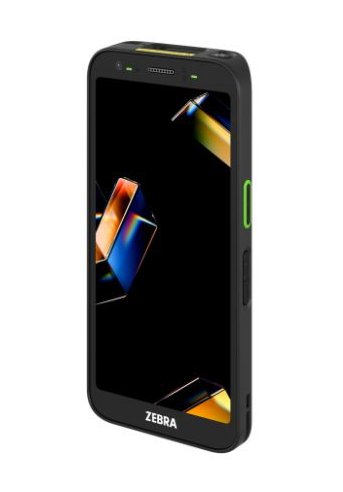
On February 18 2026, Zebra released the new TC501 mobile device with the tagline ‘Rugged mobile computing reimagined for the AI-powered frontline’.
Make no mistake about it, this device is a step change in what the premium TC5 series offers, a range renowned for its rugged and capable performance in demanding enterprise environments. But the key point for buyers with a cool head and keen eye on return on investment is this: do I need all the power this device offers? Or are my trusty TC53/TC58 or TC53e/TC58e series mobile computers going to serve me well for the foreseeable?
We’ll be examining the new devices, comparing them to previous TC5 models and assessing where they may – or may not – make a difference. We’ll also have a look at what leading competitors are currently offering, to help you decide whether you should remain within the Zebra ecosystem or consider looking further afield. At the end of the article, we offer our verdict.
Finally, if you're looking for the latest ultra-rugged device for environments where failure is not an option, look out for our post on the TC701.
The new TC501 – the highlights
The key message about the TC501 is ‘AI readiness’ – these devices include hi-spec features and components that future proof them for powerful AI apps and functionality.
That includes the ‘groundbreaking’ new Qualcomm Dragonwing™ Q-6690 processor and the class-leading memory space required to enable high-performance AI apps. It also includes a new 50 MP camera, an optional ultra-wide-angle camera for apps that require a wider view, as well as a long-range AC670 scanner that captures barcodes and high-resolution photos up to 100 feet away.

The TC501 also offers extremely fast wireless networks, more battery power and best-in-class security to keep your device safe. Plus, it’s the most rugged TC5 series built to date.
There’s a lot going on here. This machine will power apps of the future and it’s going to last for years to come. But didn’t Zebra also say similar things about the TC53/TC58 and TC53e/TC58e?
The previous TC53/58/e series
Zebra did indeed make similar claims for the TC53/TC58 and TC53e/TC58e. And it’s hardly surprising that the TC53/TC58 was marketed as a ‘new generation of data collection’ during its release in May 2022.
This device featured:
- Ultrafast Qualcomm processors
- Up to 8GB RAM, 128GB of Flash and a 2TB MicroSD card slot
- Large bright display
- WiFi 6E
- High-performing rugged credentials exceeding MIL-STD 810H and operating temperatures from -20 to 50C
- Advanced scanning capabilities
Just two years later, in March 2024, the TC53e/TC58e models came to market, superseding the earlier TC53/TC58 in several key areas:
- Secure Element / not available on earlier model
- Bluetooth 5.3 versus Bluetooth 5.2
- OS support to Android 17, versus support to Android 16
- Built-in RFID options / not available on earlier model
These were great machines that, admittedly, have a few miles of road under their belts. Now let’s get on to the really crucial part – how the earlier TC5 Series models fare against the new TC501 device.
Comparison time: the TC501 versus the earlier TC5 Series models
In italics below, we’ve revealed some key areas where the TC501 supersedes the earlier models. Where relevant, there’s a like-for-like comparison of features.
Processor
The new processor built for AI provides up to a 32% increase in performance.
TC53/TC58 Qualcomm® 6490 >>> TC501 Qualcomm® Dragonwing™ Q-6690
Memory
Memory supports the most AI data-intensive apps; up to 2x more RAM and 4x more Flash.
TC53/TC58 4 GB/64 GB, 8 GB/64 GB or 128 GB >>> TC501 8 GB/128 GB, 12 GB/256 GB
OS Support
The new machine supports further Android OS updates, keeping devices working for longer.
TC53/58 Android 16 (18 for ‘e’ range) >>> TC501 Android 19
Data capture and scan engines
Higher-spec scanning, including the AC670 premium advanced long-range scanner, captures barcodes and colour images up to 100 ft. (30 m).
TC53/58 SE4770, SE55 >>> TC501 SR500, SR560, AC670
Mobile
The fastest mobile connectivity.
TC53/58 5G >>> TC501 5G 3rd Gen Release 17
WiFi
2x the speed of Wi-Fi 6, 2x the bandwidth; supports more devices and more traffic.
TC53/58 Wi-Fi6E >>> TC501 Wi-Fi7
Ruggedness
50% higher drop spec with and without a rugged boot; survives 2x the number of tumbles; more rugged and reliable than legacy TC5 series devices.
Display
Brighter AMOLED display provides exceptional readability in any lighting conditions; and delivers a superior viewing experience even at extreme angles.
TC53/58 6 inches FHD+ 600 Nits >>> TC501 6 inches FHD+ AMOLED 1500 Nits
Battery
Higher-capacity batteries ensure full-shift operation even with demanding power-hungry AI apps; hot swap standard on all models.
TC53/58 4680 mAh, 7000 mAh, 4680 mAh wireless, 4680 mAh BLE warm swap; hot swap (premium) >>> TC501 5000 mAh, 7240 mAh, 5000 mAh wireless hot swap
Built-in RFID
Integrated short-range UHF RFID up to 6.5 ft. (2 m); eliminates the need for separate RFID readers or RFID sleds. The TC53/58 does not have built-in UHF RFID.
Camera
More than 3x higher resolution rear camera captures more image details, providing more information for AI apps.
TC53/58 16 MP, 8 MP >>> TC501 50 MP, 8 MP
Analysis time – which new features may matter to you?
Below, we’ve put together some scenarios across different industries, to help you determine if an upgrade is necessary. None of these may match your exact use case, but they’ll provide you with a starting point to make your decision.
Logistics & delivery
The TC501's AC670 100ft scanning range and Gen 3 5G connectivity are genuine step-changes for busy depot and distribution centre environments. But if your TC53/58 fleet handles standard barcode scanning and your mobile infrastructure isn't yet Release 17-ready, the upgrade case is weak. Stay unless scanning range or network speed is a bottleneck.
Warehousing
Built-in UHF RFID is the headline here – no more sleds, no more separate readers. For operations running inventory at scale, this alone could justify the switch. The improved ruggedness (50% higher drop spec) also matters in busy pick-and-pack environments. Upgrade if RFID is in your roadmap.

Defence forces
Raw processing power, extended OS support and hardened security make the TC501 relevant for defence logistics, asset tracking and battlefield inventory management. The built-in RFID capability is particularly valuable for rapid equipment auditing without additional hardware. That said, procurement cycles in defence are long and TC53/58 devices already meet MIL-STD-810H. Stay if you're mid-cycle; upgrade when the next procurement window opens and AI-enabled situational awareness is on the agenda.
Retail
The 50MP camera and AMOLED display make a real difference for visual merchandising, shelf-edge AI apps and loss prevention. If your store operations are relatively static – POS support, basic scanning – the TC53/58 still does the job well. Upgrade for vision-heavy or AI-driven retail; stay for traditional store floor use.
Field service & utilities
The bigger battery and ability to work in more extreme temperatures make it a better fit for tough outdoor use. It will also receive Android updates for longer, keeping devices secure and supported well into the future.
Healthcare & public sector
Security and longevity drive decisions here. The TC501's enhanced security architecture and extended Android support make it compelling for regulated environments planning ahead. Upgrade where compliance timelines and security posture are priorities; stay if refresh cycles are locked in.
But wait – what about the competition?
Due diligence requires that you may want to pay attention to models in similar ranges from competitors. Here are two popular options and why you’ll want to stay in the Zebra range.
The Honeywell CT70
The CT70 mobile computer is billed as an ‘Ultra-rugged, ultra-reliable, 5G connected device for enterprise customers’. There are quite a few areas, however, where the TC501 may be a better option. The Zebra model has 50% more RAM, is 150% brighter and has a 33% higher drop spec, making it faster, more readable and tougher. As for data capture, the TC501 has 284% better resolution on its rear camera and the AC670 offers 3 x longer scanner range compared to the Honeywell equivalent. Finally, the CT70 is 13.5% heavier. In our view, on many counts, across many industries, the TC501 wins.
The Samsung XCover7 Pro
The Samsung XCover7 Pro is, according to marketing, ‘Built for the toughest jobs.’ But the truth is that it is significantly less rugged than the TC501. It has an inferior double sealing rating – no IP65 – no tumble specs and inferior drop specs (1.5m compared to the TC501’s 2.4m). There’s no RFID, no integrated scanner, no hot swap batteries and the display on the TC501 is 3 x brighter. Perhaps the crunch detail as we enter a brave new world of AI is the older, less powerful platform – it’s far less suited to emerging AI apps.
The ecosystem question
One thing that Zebra offers that its competitors cannot match is a fully developed enterprise software ecosystem. This includes the incredibly powerful Zebra DNA to help you set up, secure, manage and optimise devices; and Zebra Frontline AI Suite, harnessing the power of automation to make better business decisions.
For most existing Zebra users, it’s going to be incredibly hard to walk away from this level of additional functionality.
Verdict
Zebra’s own comms says it very well: ‘The TC53/58 raised the bar. The TC501 breaks through it.’
The key question is whether you need to ‘break on through’ just yet – or can you wait a while? The answer may depend on the apps and AI functionality you are intending to introduce in the near future – because, make no mistake about it, the TC501’s ‘AI readiness’ is not hyperbole, it’s a crucial consideration that will determine if apps will run. Conversely, earlier models may not be compatible with emerging technology.
Ultimately, for those convinced that Zebra is the right ecosystem for them, it’s likely to be a case of not if, but when to upgrade.
Nuffield Technologies procures and deploys devices to clients in logistics, field services, manufacturing, retail, defence forces and many other industries. As well as sourcing devices at preferential rates and rolling them out across your teams, we offer bespoke software development, including secure solutions for disconnected environments. We also provide an Automated Android Update Testing Service to ensure your updates roll out without any issues. Get in touch to find out more.